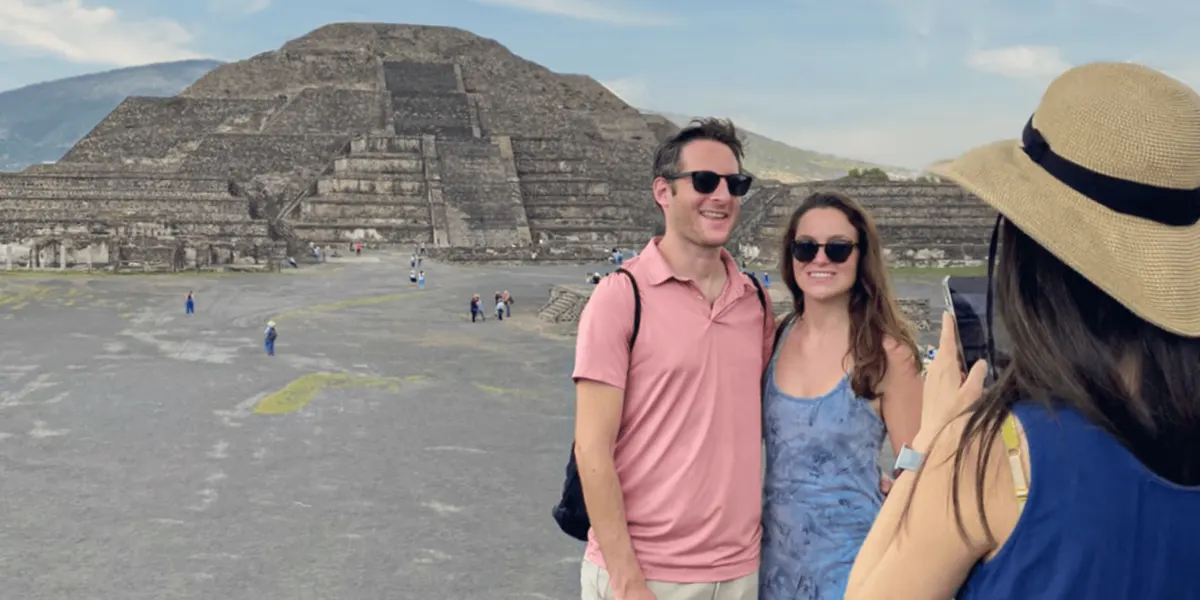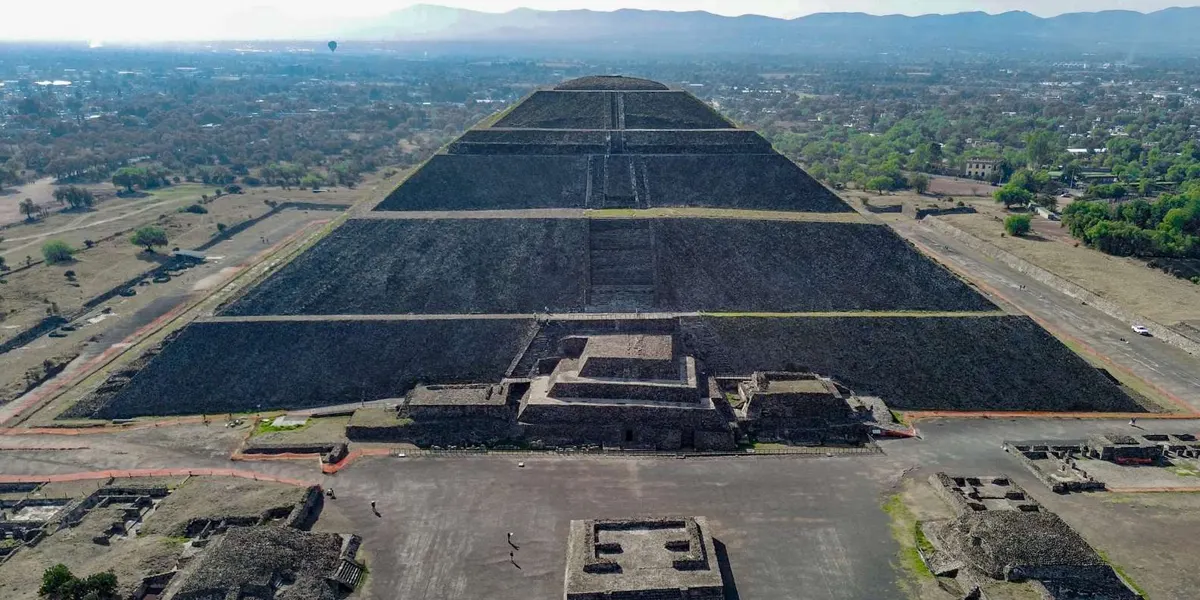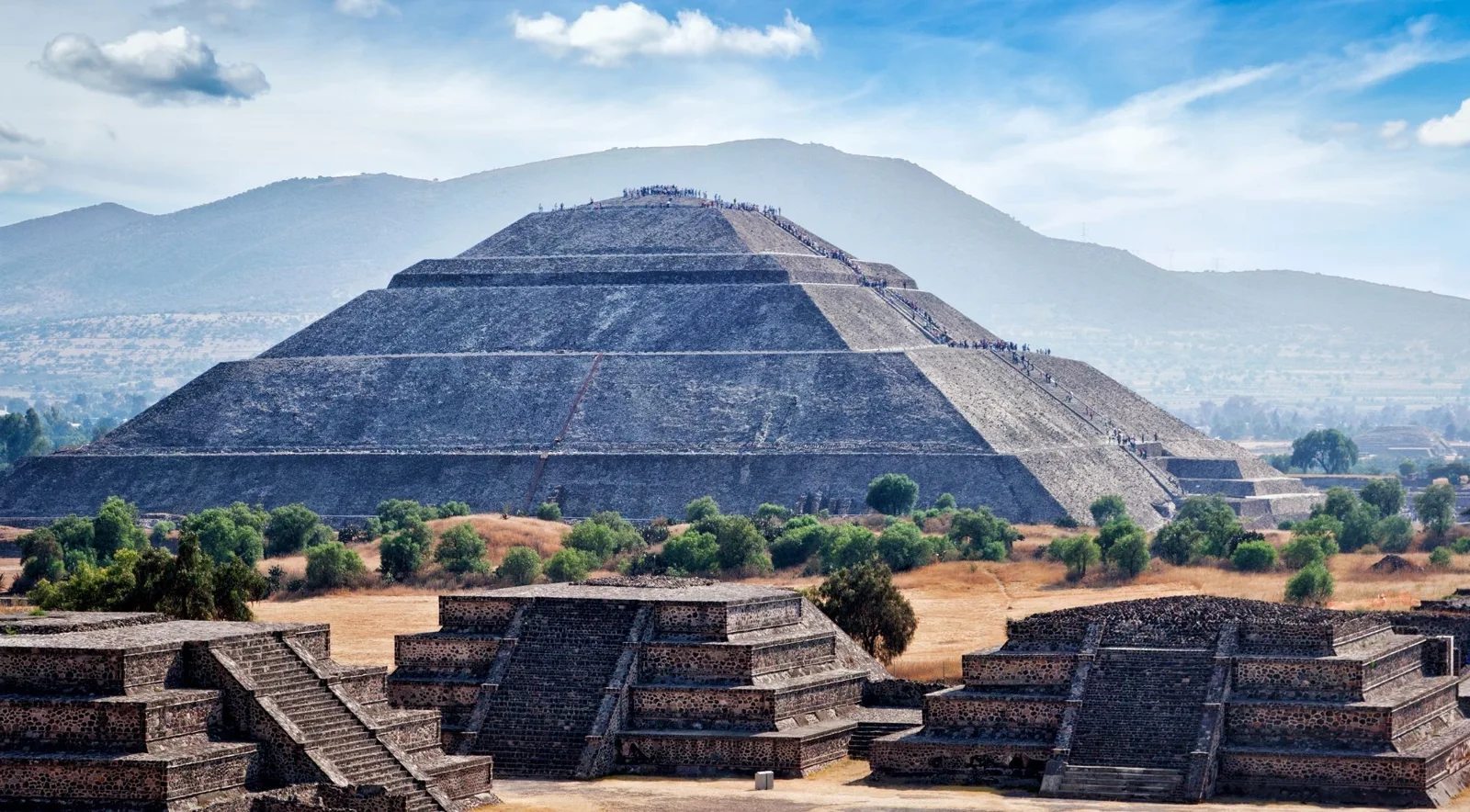
The Pyramid of the Sun is not a climbing attraction
INAH’s visitor guidance says ascending the Pyramid of the Sun is not permitted. That rule applies whether you arrive independently, with a large group or on a private tour. Buying a more expensive ticket does not create an exception. Read the official visitor restrictions
before relying on older photographs or itineraries.
Images of visitors standing on a summit can remain online long after access changes. A tour title may also continue to use words such as climb or explore loosely. Ask what the operator means in terms of the route actually allowed on your date. Do not pay extra for an implied access privilege that the official site does not confirm.
What about the Pyramid of the Moon?
INAH’s notice dated 21 April 2026 states that access to the Pyramid of the Moon remains closed until further notice. Earlier reports about its 2025 reopening do not override that later notice. Check for any new official announcement before travelling. INAH access notice
.
What about other structures?
Access to individual monuments can change independently of the main site’s opening. Do not assume that one accessible stairway means every pyramid can be climbed, or that a past reopening remains in force. The useful rule for planning is to expect ground-level exploration and follow current barriers and staff directions when you arrive.
If one particular viewpoint is essential to your trip, verify it with the official site shortly before departure. A guide can explain the permitted route but cannot override a closure. This also applies to entering restricted spaces for photographs or stepping onto a structure simply because other visitors are doing it.
There is still plenty to see from permitted paths
The major buildings are impressive from their plazas and approaches. Walking the city helps reveal distances, alignments and the relationship between ceremonial spaces. Rather than organising the day around a summit, choose a route with time to stop and look across the broader landscape.
A guide is especially useful when you want to understand features that are not obvious from a photograph. Ask about architectural details, evidence and interpretation. A good archaeological visit need not depend on reaching the highest point. Our is it worth visiting guide
explores who will most enjoy this kind of day.
Plan the walking you will actually do
No climbing does not mean no physical effort. The site is large, surfaces vary and a route can still include steps and long stretches outdoors. If you need a gentler visit, ask for specifics: where the vehicle stops, which paths the group follows, how long you stand for explanations and whether an alternative route is possible.
For families, explain the rules before arriving so children do not expect a playground or summit challenge. Give them other things to notice: the scale of a plaza, changes in stonework or the relationship between two buildings. See visiting with kids
for ways to keep the outing manageable.
Alternatives to a summit photograph
A balloon offers a different aerial perspective but never guarantees an exact route or view. It is a separate activity with its own cost, participation requirements and weather decision. Choose it because you want a flight, rather than as a paid substitute for forbidden access.
For ground photography, use the permitted viewpoints, stay clear of barriers and allow time for changing light without assuming access beyond public hours. Compare early visits
for a practical walking schedule, or private tours
if you need more control over your pace.